SEO On-Page Keyword Optimization: Best Practices for 2023
Want to rank higher on search engine results pages? Follow these best practices for SEO On-Page Keyword Optimization to optimize your website's content and structure.

How to Optimize Your Website for Search Engines
SEO On-Page Keyword Optimization is the process of optimizing your website’s content and structure to rank higher on search engine results pages (SERPs). It involves optimizing your website’s content, metadata, and HTML source code to include targeted keywords that match what users are searching for. By optimizing your website for on-page SEO, you can improve your website’s visibility and attract more organic traffic to your website. In this article, we will explore the best practices for SEO On-Page Keyword Optimization.
In today’s digital age, having a strong online presence is crucial for businesses to succeed. With over 5 billion searches made on Google each day, it’s more important than ever to optimize your website for search engines. One of the most important aspects of SEO is On-Page Keyword Optimization, which involves optimizing your website’s content and structure to rank higher on search engine results pages (SERPs). By following the best practices for SEO On-Page Keyword Optimization, you can improve your website’s visibility and attract more organic traffic to your website.
Why On-Page Keyword Optimization is Important
- Improves Website Visibility
- Increases Organic Traffic
- Boosts User Engagement
How to Perform Keyword Research
- Define Your Target Audience
- Brainstorm Seed Keywords
- Use Keyword Research Tools
Best Practices for On-Page Keyword Optimization
- Optimize Page Titles and Meta Descriptions
- Use Header Tags to Structure Your Content
- Optimize Your Content with Targeted Keywords
- Include Internal and External Links
- Optimize Your Images and Alt Text
- Ensure Your Website is Mobile-Friendly
- Improve Your Website’s Loading Speed
- Make Your Content Easily Shareable
On-Page SEO Optimization Checklist
- Page Titles and Meta Descriptions
- Header Tags
- Targeted Keywords
- Internal and External Links
- Image Optimization
- Mobile-Friendliness
- Loading Speed
- Social Sharing
How to Perform Keyword Research:
- Define your target audience and their needs
- Brainstorm seed keywords that are relevant to your business
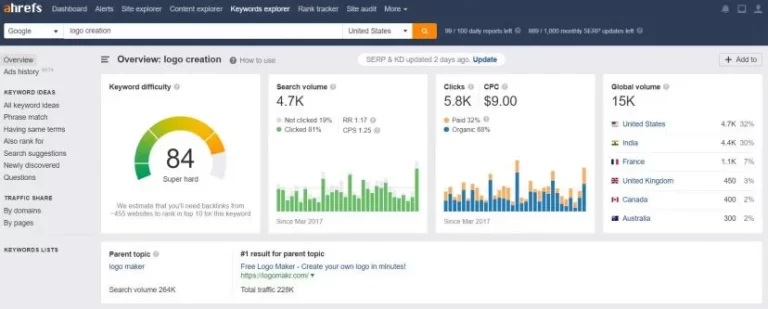
- Use keyword research tools like Google Keyword Planner, Ahrefs, SEMrush, or Moz to find additional keywords that you may have missed.
Best Practices for On-Page Keyword Optimization:
- Optimize page titles and meta descriptions with targeted keywords
- Use header tags (H1, H2, H3, etc.) to structure your content
- Optimize your content with targeted keywords, while maintaining a natural flow
- Include internal and external links to improve your website’s authority
- Optimize your images and alt text with targeted keywords
- Ensure your website is mobile-friendly to improve user experience
- Improve your website’s loading speed to reduce bounce rate
- Make your content easily shareable by including social media share buttons.
Conclusion
SEO On-Page Keyword Optimization is an essential part of any successful SEO strategy. By following the best practices outlined in this article, you can improve your website’s visibility, attract more organic traffic, and ultimately increase your online success. Remember to always prioritize the user experience when optimizing your website, and focus on creating high-quality, engaging content that meets the needs of your target audience. With a little patience and persistence, you can achieve your SEO goals and take your website to the next level
FAQs
How many keywords should I include on each page?
There is no set rule for the number of keywords you should include on each page. Instead, focus on including relevant and targeted keywords that flow naturally within your content.
Can I use the same keywords on multiple pages?
Yes, you can use the same keywords on multiple pages. However, ensure that each page has unique and high-quality content.
What is the difference between on-page SEO and off-page SEO?
On-page SEO refers to the optimization of your website’s content and structure, while off-page SEO involves optimizing external factors such as backlinks, social media, and other websites that link to your site.
How long does it take to see results from on-page SEO?
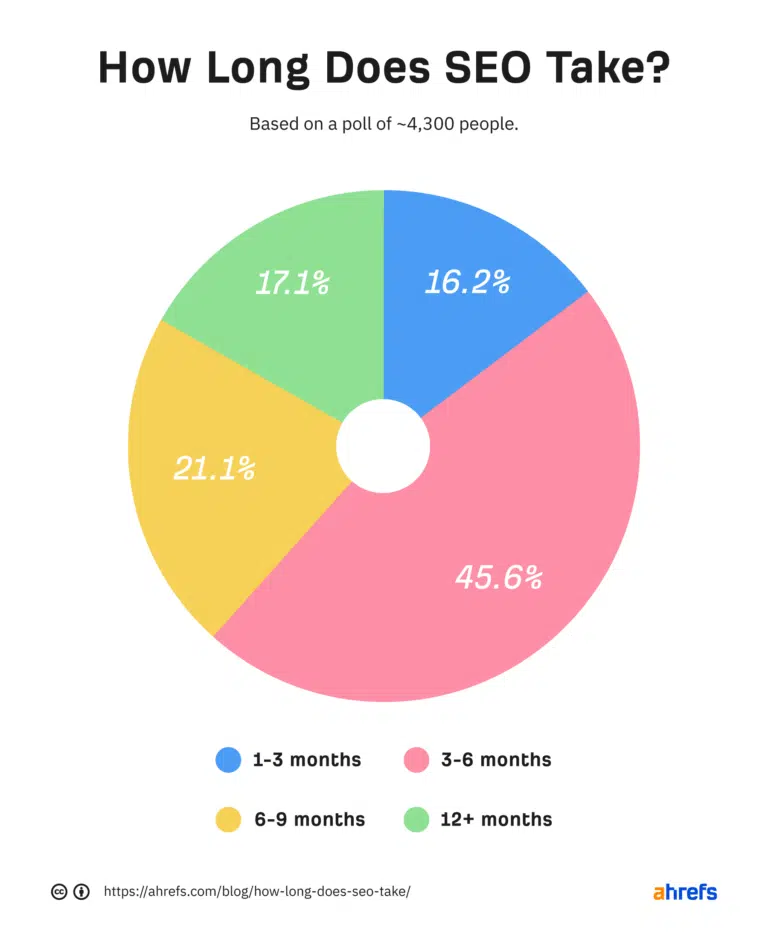
The time it takes to see results from on-page SEO varies based on several factors such as the competitiveness of your industry, the quality of your content, and the strength of your website’s backlink profile. It’s important to remember that SEO is a long-term strategy, and results may take several months to a year to materialize.